 ESG COMPLIANCE
Secure Your Market Access with DPP Compliance
Starting in 2027, the EU will mandate Digital Product Passports for all electronics. Manage your sustainability data now to ensure your products stay on the market.



TRUSTED BY 4,000 CLIENTS, FROM SMB TO ENTERPRISE


The business risks of inaction
The ESPR is not just a matter of compliance - it is a major strategic and financial risk. Here is what's at stake if you do not act now.
Loss of competitiveness
As competitors adopt transparency and promote sustainable products, you risk falling behind the market.
Unsellable goods
Products without a Digital Passport will be blocked from the EU market.
Loss of distribution
Avoid being delisted as major retailers begin to mandate ESPR compliance.
This isn’t a voluntary framework - it’s a legal obligation that transforms how products are made, sold, and tracked in Europe.
Commercial Gains through Product Transparency
Environmental transparency is now a key competitive advantage. Build trust with a market that demands sustainable proof.

Mandatory Traceability via Digital Product Passports
By 2026-2027, a DPP will be essential for every affected product, providing full transparency on material origins and Life Cycle Assessments (LCA).
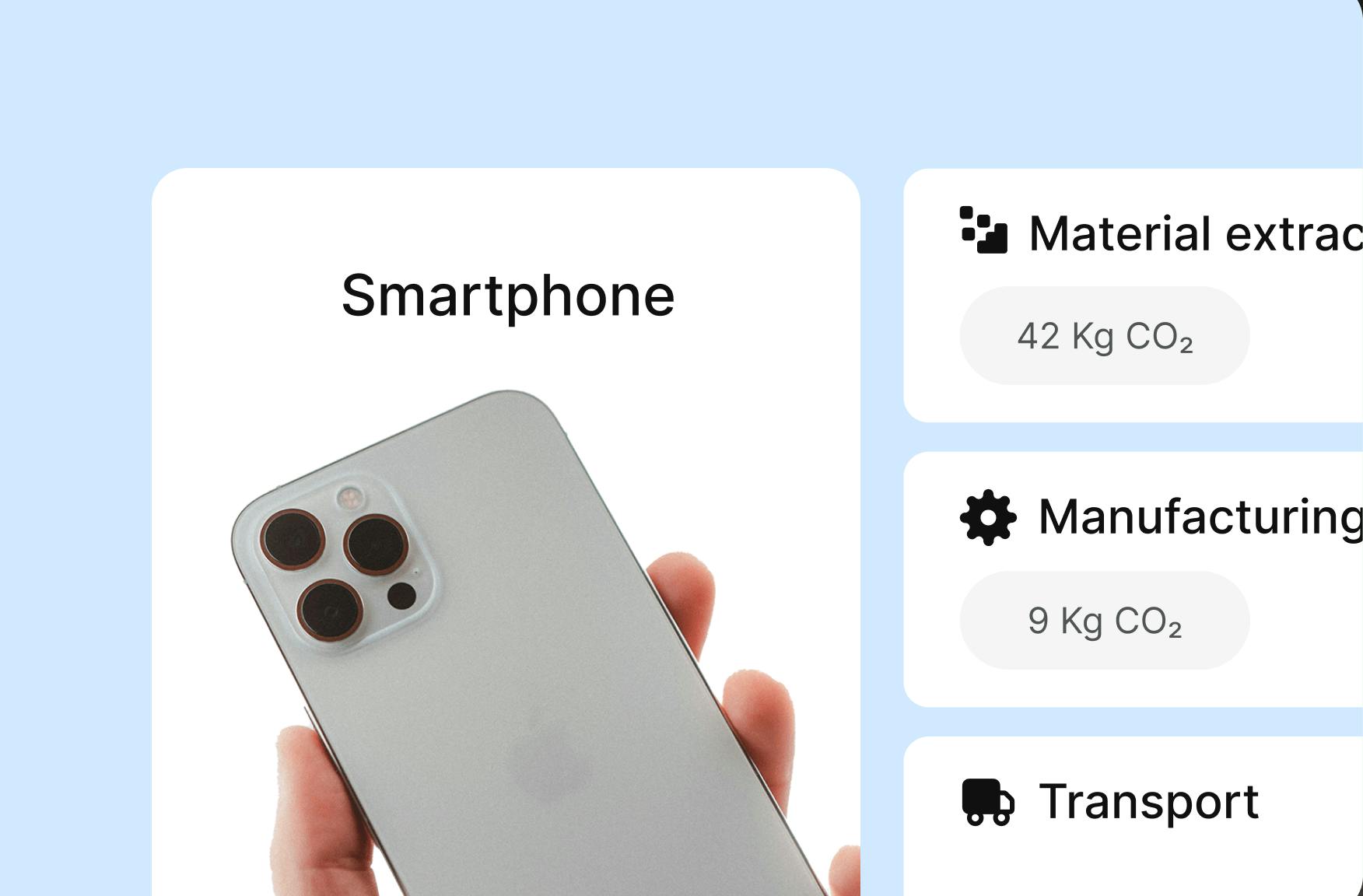
New standards for sustainability, circularity, and reparability
Under the ESPR, products must now meet high-level conditions for circularity and long-term durability.

Growing accountability for distributors and buyers
Distributors are now tasked with verifying product compliance before they hit the market, while buyers are increasingly making ESPR criteria a core part of their tenders.
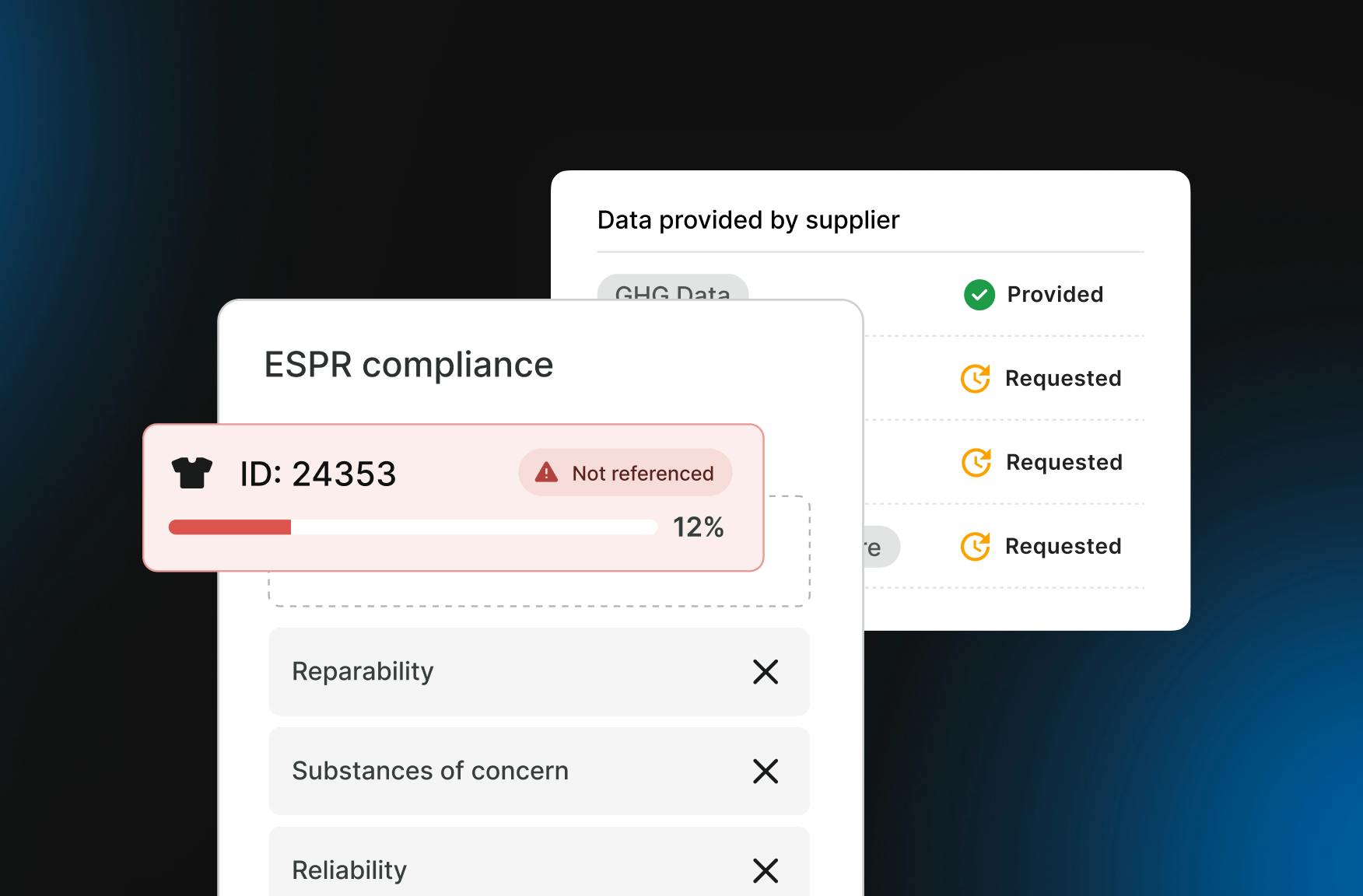
Get Ready for ESPR in 4 Simple Steps
1
Identify your exposed products
Conduct an ESPR exposure assessment across your entire catalogue.
2
Collect your supplier data
Onboard suppliers and automatically capture product data, including LCA and material origins.
3
Structure your data for the DPP
Organize your data into the required DPP structure, including reparability and origin details.
4
Audit your compliance
Produce certified, ISO-compliant reports and generate your final product passports.
ESPR (the Ecodesign for Sustainable Products Regulation) is a new EU law that raises the bar for product sustainability. It sets new standards for durability, reparability, and recyclability for nearly all physical goods sold in the EU - covering everything from electronics to textiles.
Think of the DPP as a "digital identity card" for your product. It’s a mandatory tool that provides everyone in the value chain - from regulators to consumers - with clear data on material origins, environmental footprint (LCA), and how a product can be repaired or recycled. You can access it via a simple QR code or digital ID.
Timeline: Obligations starting from 2026-2027.The EU is rolling this out in stages. Between 2025 and 2027, priority is being given to high-impact sectors:
Textiles & Clothing
Electronics (Smartphones, laptops, appliances)
Furniture
Steel, Aluminum, and Chemicals
Tires & Detergents After 2028, these rules will expand to cover almost all physical products.
Everyone has a part to play:
Brands & Manufacturers: Must redesign products to meet sustainability standards and build the DPP.
Suppliers: Must provide the underlying data (LCA, PCF) so their clients can create the passport.
Distributors & Retailers: Must verify that a product is compliant before putting it on the shelf.
The risks are immediate and financial. Without compliance, you face:
Market Exclusion: Your products simply cannot be sold in the EU.
Retailer Rejection: Major retailers will drop non-compliant brands from their catalogs.
Tender Disqualification: You’ll be blocked from public contracts (a €1.8 trillion market).
Fines: National authorities can impose heavy financial penalties for non-compliance.
Collecting supply chain data and conducting Life Cycle Assessments (LCAs) takes months, not weeks.
2025: The official list of regulated products arrives.
2026-2027: The first wave of DPP requirements begins. If you wait until 2026 to start mapping your supply chain, you’ll likely find yourself behind the curve and unable to meet distributor deadlines.
No - ESPR applies to every player putting products on the EU market, including SMEs, independent brands, and importers. Even if you aren't a giant retailer, those marketplaces (like Amazon or Fnac) will soon require a compliant DPP from you to keep your listings active.
A Digital Product Passport requires structured environmental data — carbon footprint by lifecycle stage, material composition, and end-of-life indicators — that an ISO 14044-compliant LCA produces as standard output. Platforms aligned with the EU's PEF/EF 3.1 methodology, such as Greenly, can generate this data and export it in formats compatible with DPP systems, covering all 16 EF 3.1 impact categories required by the ESPR.
PEF/EF 3.1 compliance requires using the Product Category Rules (PCRs) specific to your sector and emission factor databases recognised by the European Commission. Your LCA must cover all 16 EF 3.1 impact categories and follow the relevant PEFCR for your product group. Greenly's methodology is built on EF 3.1-compliant factors and structured to meet ESPR traceability and auditability requirements from the outset.

This website emits 2.76 kg of CO₂e per 1,000 visits per month. Your potential for action is measured in tons. Ready to take action to reduce your impact?