Kara Anderson, UK Copywriter
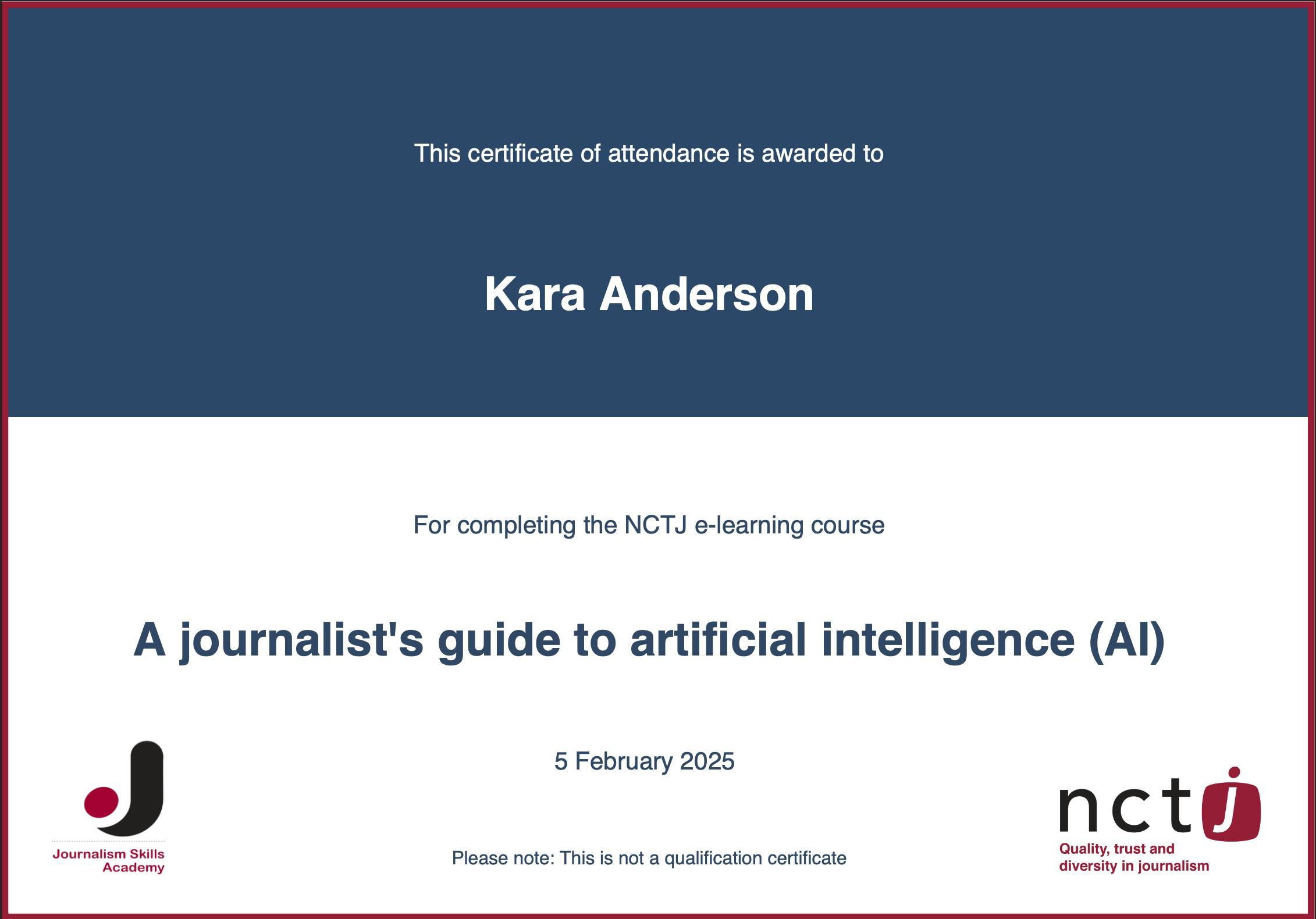
Kara Anderson is a climate and sustainability writer with a strong background in law, analytics, and data storytelling. Since joining Greenly in 2023, she has written extensively on climate science, environmental policy, and sustainable development for a UK and international audience. Her investigative data piece 'The Hidden Environmental Cost of Social Media' was widely picked up by global media outlets – including The Guardian, Fortune, and CNN Greece – and cited in over 150 articles across countries such as India, Brazil, and Indonesia. With two years of dedicated writing on environmental issues, Kara brings both depth and clarity to complex topics. She has completed training in climate science (Climate Change: The Science and Global Impact), journalistic principles, and the Climate Fresk workshop – enhancing her ability to translate scientific insights into accessible, impactful content. Before joining Greenly, Kara worked at Ernst & Young in analytics and later in advertising for major global brands. She holds a law degree and a master’s in international law from the University of Glasgow and the University of Aberdeen, where she specialised in human rights and EU law.

Certifications