What is the Carbon Footprint of the Wine Industry?

By Stephanie Safdie, US Copywriter, on 26/12/2025
An overview of the wine industry
How the production, transportation, and distribution of wine impacts the planet
Ways to mitigate the harsh effects created by the wine industry on climate change
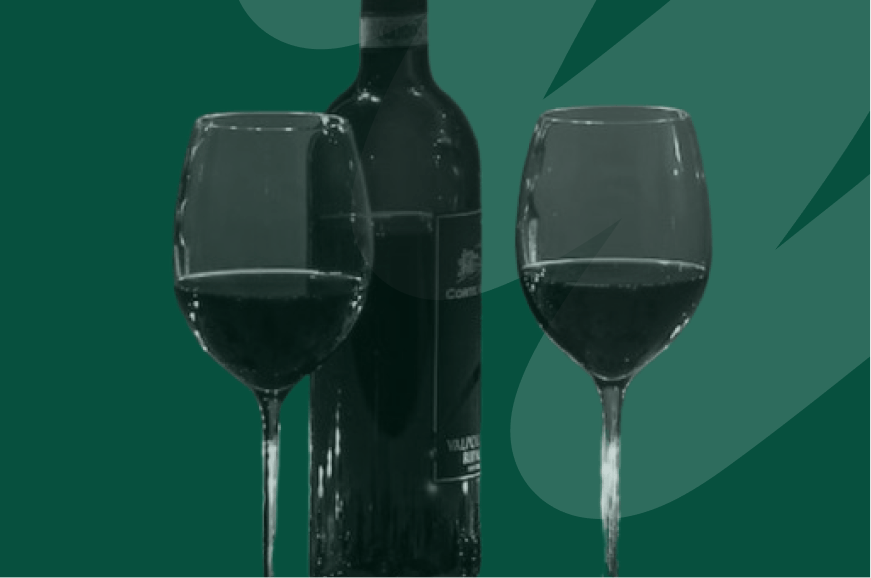
Living in a country like France, I’ve quickly realised that many nations don’t just look forward to it being five o’clock somewhere – but that some cultures really value the art of both wine-making and tasting. French wine production in 2020 alone added up to a whopping 4.66 billion litres of wine, and the overall vineyard area globally was a massive 7.3 million hectares.
However, besides reading the bottle to see if your wine was made in Napa Valley or Bordeaux – should you be checking the carbon footprint of your favourite bottle of wine?
Does the wine industry negatively impact the environment?
In this article, we'll break down the carbon footprint of the wine industry, its biggest impacts, and ways we could reduce the environmental concerns created by the wine industry.
What is the wine industry?
The wine industry isn’t just referring to the bottle of wine you pick up at the shops, and the producer that grew the grapes and bottled the wine but also the online retailers, distributors, warehouses, logistics companies, wine trade bodies, wineries and visitors centres, associations and cork producers.
The overview cards below will reveal some hallmark elements of the wine industry:
Energy-Intensive Glass Production
Glass requires extremely high furnace temperatures, which makes bottle manufacturing energy-heavy and emissions-intensive.
Heavier Bottles = Higher Transport Emissions
Many wine bottles are thicker/heavier, which increases fuel use during shipping and raises the carbon footprint per bottle.
Global Distribution Adds Up
Wine often travels long distances by truck, ship, or air—so packaging weight and volume drive additional emissions.
Recycling Isn’t Always Simple
Color sorting, contamination, and local infrastructure limits can reduce how much glass is actually recycled into new bottles.
Labels, Foils & Closures Create Waste
Capsules, adhesives, labels, and closures add extra materials that can complicate recycling and increase overall waste.
Breakage & Disposal Impacts
Bottles can break during transport or handling, creating waste and forcing replacements—meaning more production and shipping.
How successful is the wine industry?
It turns out, more people may be looking forward to their nightly glass (or two) than you may think.
While global wine consumption is slowly declining, the value of the wine market continues to grow and there was an overall 3% increase in growth for the industry as a whole between 2024 and 2025.
This reveals that even with restaurants locked down during the pandemic, online wine sales were still popular and the wine industry can thrive even in the midst of social isolation.
Challenges in the wine industry
Reduced consumption
However, the wine industry faces two challenges. One, declining consumption and increasing value highlights the premiumisation of wine, which prevents younger, budget consumers from buying and consuming wine. This creates substantial competition for wine against other more accessible alcoholic beverages such as beer or spirits.
Global warming
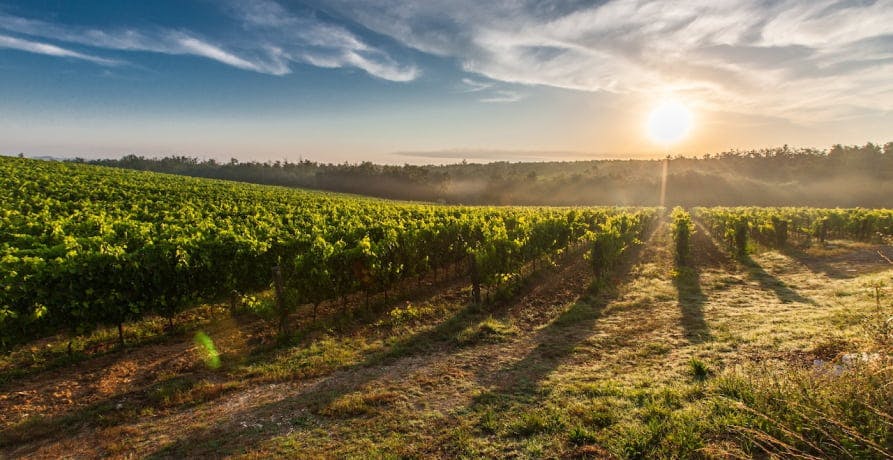
More seriously however, climate change is impacting the wine industry – increasing global temperatures are affecting producers all over the globe. At the more extreme end excessive droughts, wildfires, dry soil, and low reservoir levels reduce yields for wine producers and it isn’t unheard of for entire vintages to be lost in entire regions due to adverse weather events.
The interactive flip cards below (move cursor over card to flip) will further reveal how global warming can impact the production of wine:
More generally though, higher temperatures mean it is trickier for growers to pick their grapes at the optimum ripeness as this ripeness is achieved earlier in the year. Varieties of grapes that were once perfect for certain wine regions due to their characteristics are being pushed out with higher temperatures making them unsuitable. Take Burgundy for example, the delicate pinot noir ripens months before it used to these days and producers are struggling to retain the finesse typical of wines in the region. If temperatures continue to rise the Burgundy style fine wine connoisseurs idolise could be lost for good.
This is just one example and the wine industry is threatened by climate change everywhere in the world. Producers and regulators are scrambling to react. Another great example is Bordeaux, arguably the wine capital of the world, famous for its blends of cabernet sauvignon and merlot, has permitted the use of international varieties like the Portuguese touriga nacional, which is traditionally more at home in warmer climates and one of the key grape varieties in Port wine.
Does the wine industry create a large carbon footprint?
Your nightly glass of wine may do your soul a lot of good, but what about the environment? Is the industry contributing to its own existential crisis?
It might not be on your mind while you’re pulling the corkscrew out or hearing the luscious glug of red or white liquid fill your glass but the wine industry does contribute itself to the warming of the planet. The two largest global emissions sources in the trade are the glass bottles and packaging that are both difficult to recycle, and the weight of transportation resulting in higher carbon emissions.

Packaging & distribution of wine bottles impact on environment
You know when you travel, and you pray that you check-in luggage isn’t overweight so that you won’t have to pay extortionate airport baggage fees? That’s because the heavier the bag is, the less freight cargo that the airline can take on their commercial flights – meaning the airline has to compensate for their loss of profit by charging you instead. The same goes for wine bottles: they’re so heavy, they take a lot of extra energy to get to where they need to go.
In addition to this, wine bottles need to be properly padded and packaged to ensure their brittle glass doesn't break during transportation – this often creates even more excessive waste, plus sometimes that packaging isn’t recyclable, and ends up in landfill.
The summary cards below will summarise the impact of wine bottles on the environment:
Failure to recycle glass wine bottles
Overall, the biggest problem with the wine industry in terms of a large carbon footprint remains to be the weight of the glass bottles – accounting for nearly a third of the wine industry’s carbon emissions. Over 30 billion bottles of wine are manufactured and sent off for purchase annually, and those billions of glass bottles being sent around the world don’t just eat up carbon emissions on their global adventure: but it requires an extensive amount of fossil fuels to make those wine bottles in the first place.
Maybe you think that the answer to this problem is to simply recycle the bottles, but think again – let’s take the United States as an example, the country that consumes the most wine globally, where only 31% of glass gets recycled. This means 75% of those heavy glass bottles end up in landfill. This contributes to even more waste and emissions in addition to the carbon footprint left behind from transporting wine.
What are some of the other environmental challenges that could increase the carbon footprint of the wine industry?
Challenges in the wine industry
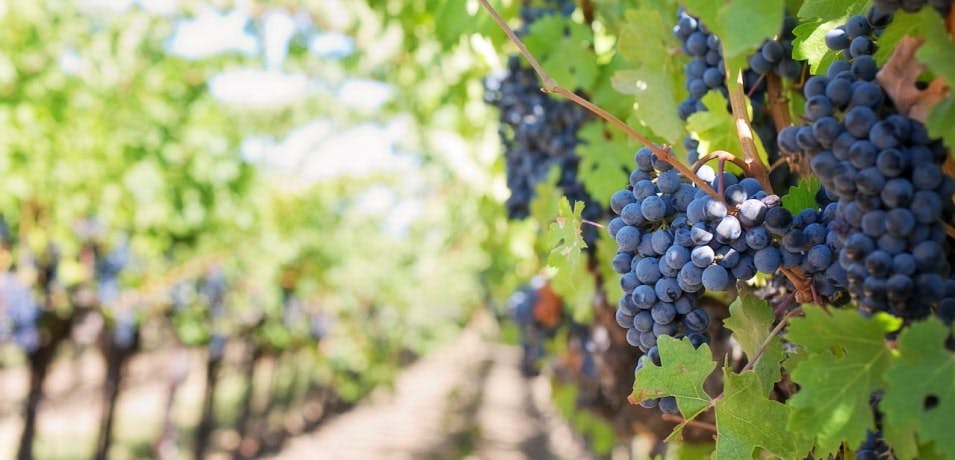
The wine industry isn’t just threatened by bad packaging, but by poor farming circumstances that continue to deteriorate alongside rising global surface temperatures. This has resulted in winegrowers needing to completely alter the way in which wine is grown and produced.
The overview cards below will reveal some of the challenges the wine industry will continue to face in the wake of climate change:
Rising Temperatures
Hotter growing seasons accelerate ripening, alter sugar levels, and threaten the balance and quality of traditional wine styles.
Water Scarcity
More frequent droughts increase reliance on irrigation, raising costs and straining water resources in key wine regions.
Extreme Weather Events
Heatwaves, floods, hailstorms, and wildfires are becoming more common — causing crop losses and vineyard damage.
Wildfire Smoke Exposure
Smoke taint from nearby fires can compromise grape quality and make entire harvests unusable.
Pests & Diseases
Warmer climates allow pests and vine diseases to spread into regions where they were previously uncommon.
Shifting Wine Regions
Some historic wine regions may become unsuitable for grapes, while new regions face steep learning and infrastructure costs.
Sustainable alternatives for the wine industry
Viticulture, or the process of growing and harvesting grapes solely for the purpose of producing wine, is an agricultural activity that in recent decades has used an enormous amount of chemical crop protection products to ensure healthy grapes and a profitable yield for the producer. Spraying grapes with chemicals to protect the crop is called conventional viticulture and there is a spray for everything, growers can use any mix of pesticides and fungicides to ward off disease and pests and make sure they get their grapes year on year.
Reduce chemical sprays
On the other hand, some parts of the wine industry, in countries such as France, have demonstrated a commitment towards producing wine more sustainably by reducing their use of chemical sprays in half by 2025 – the truth is, viticulture is harder to perform with lower emission tactics such as climate smart farming.
One alternative is organic viticulture. A practice whereby the producer commits to reduce the use of pesticides in the vineyard. Europe has caught on board with the need for sustainable wine, and today nearly a tenth of European vineyards are organically certified – Spain, Italy, and France are showing the world that it is possible to produce wine without leaving a massive carbon footprint behind.
The vertical timeline below will reveal how chemical sprays could theoretically be phased out by 2030, especially in eco-foward countries like France:
1. Scientific Risk Recognition 🔬
Growing evidence links chemical sprays to biodiversity loss, soil degradation, and human health risks — prompting increased scrutiny from scientists and regulators.
2. Policy Pressure & EU Regulation 📜
Eco-forward countries like France push for stricter EU-wide pesticide regulations, restricting the most harmful substances and accelerating review processes.
3. Expansion of Organic Standards 🌱
Governments incentivize organic and low-input farming, encouraging growers to reduce reliance on synthetic sprays through subsidies and certification programs.
4. Adoption of Alternative Solutions 🐞
Farmers increasingly turn to biological controls, crop rotation, resistant plant varieties, and precision agriculture to manage pests naturally.
5. Economic Transition Support 💶
Public funding helps farmers manage short-term yield risks while transitioning away from chemicals, ensuring economic stability during the shift.
6. Consumer Demand & Market Signals 🛒
Rising consumer preference for clean, sustainably produced food strengthens market demand for spray-free agricultural products.
7. Near-Elimination by 2030 🎯
By 2030, chemical sprays are largely phased out in eco-forward regions, reserved only for tightly controlled emergency use under strict oversight.
Viticulture
Viticulture isn’t the easiest of agricultural activities to do without synthetic crop protections, but it isn’t impossible. Farmers that practise viticulture for the wine industry refer to biocontrol solutions that can help provide a more sustainable alternative to prevent pesticides. This can be done by ensuring balance between all crops involved in the process of viticulture, and works differently than crop protection products as it isn’t preventative care (similar to removing wisdom teeth before they’re hurting “just in case” they do later) but a careful method of farming to prevent them from being infected in the first place.
France, one of the world’s most well-known wine producers, has proven this possible by using more natural substances in their vineyards – with over 55% of their viticulture now being carried out through natural means, and a whopping 22% of their wine farms being organic.
Biostimulants
In addition to biocontrol solutions, biostimulants can be used to encourage the natural growth of the plant’s metabolism to ensure they remain pesticide free and ultimately mitigate the need for alternative products that harm the atmosphere.
Also, conservation agriculture serves an environmentally friendly way to grow grapes that mitigates the need to use crop protection products in the first place – can not only help to improve the quality and health of the soil and therefore the quality of the grapes used for wine production, but also to improve water infiltration throughout the vineyard.
This is because reducing tillage helps to encourage biological activity, rejuvenates the soil, and increases the nutritional value of all the grapes to be harvested on the vineyard.
Is global warming changing the taste of wine?
As we alluded to earlier, climate change is also changing the taste of the wine – this is due to the early-harvested grapes having a higher sugar content, lower acidity and possibly not having grown long enough for aromas such as polyphenols to develop in the grapes.
All in all, it’s evident that global warming is having a profound effect on the wine industry. Is there anything that the wine industry can do to ensure success, while implementing sustainability and positively contributing to the fight against climate change?

What can be done for the wine industry to reduce their carbon footprint?
The answer is clear: the wine industry needs to change the weight and manufacturing process of their wine bottles in order to reduce emissions, and do everything in their power to possible to prevent the use of synthetic crop production products. The good news is that the industry is seeing innovation in this sector as start ups and traditional companies are creating alternative packaging solutions with a lower carbon footprint like cans, paper bottles or even what Australians call the goon bag and the Brits Chateaux Cardboard - wine in a cardboard box.
The overview cards below will reveal some of the ways that the wine industry could reduce its carbon impact:
Use Lightweight Bottles
Reducing glass weight cuts emissions from manufacturing and lowers transport fuel use across the supply chain.
Refill & Reuse Programs
Reusing bottles (where systems exist) can reduce single-use packaging demand and shrink overall waste.
Improve Shipping Efficiency
Consolidated shipments, optimized routes, and greener logistics partners can significantly lower transport emissions.
Switch to Renewable Energy
Powering wineries with solar or renewable electricity reduces emissions from fermentation, cooling, and bottling operations.
Adopt Regenerative Viticulture
Soil-building practices (cover crops, compost, reduced tilling) can improve resilience and help store more carbon in soils.
Measure & Cut Hotspots
Tracking emissions helps wineries target the biggest sources first — like packaging, refrigeration, and distribution.
Vineyard innovation
As mentioned before, innovations are happening in the vineyard too, as producers turn to practices like biodynamics or regenerative agriculture which not only reduces the carbon footprint but promotes biodiversity and ensures high yields annually. Furthermore, the care and attention given to the grapes often results in higher quality wines.
There are also forward-thinking associations like The Porto Protocol that are working together as a wine community to usher climate action and combat the issues the industry faces.
Though, only so much can be done by the wine industry themselves, in reality – many of the agricultural problems that negatively impact viticulture and the production of wine will only change when we implement lasting climate action to lessen the impact of climate change.
Consumer choices
An easy tip to remember and to help the wine industry reduce their emissions is to realise that a heavier bottle of wine, doesn’t mean it’s a better bottle of wine. This way, over time – the demand to make bottles less heavy will be made known, and the wine industry will have no choice but to alter their packaging permanently on behalf of the consumers’ demands.
A fun fact is that you can switch up the type of wine you drink in order to reduce your carbon footprint – due to production factors white wine apparently emits more than rosé or red.
White wine emits on average 0.92 kg of carbon dioxide emissions per 0.75L bottle, whereas both red wine and rosé emit around 0.89 kilograms of carbon dioxide per 0.75L bottle.
However, as only a marginal difference this isn't going to affect the largest change: things like recycling wine bottles (of which only 73% are recycled in Europe) or buying wine in alternative packaging formats prove much more effective in reducing emissions for the industry.
Organic wine
Alternatively, seek organic wines out on the menu or wines produced by smaller producers producing hand-crafted, quality wines made with regenerative viticulture. This ensures that you are purchasing wine from a company that is committed to sustainability and the fight against climate change. Wines made by hand mean less machinery used in production of the wine.
Overall, organic wines can lead to a 23% decrease in carbon footprint as opposed to choosing a bottle produced by conventional methods. Independent wine merchants often provide customers with extensive information on the wine growing practices of the products they sell, so when you purchase them, you can be sure it is making a difference.
The responsibility of contributing to a more sustainable future for the wine industry isn’t just picking the wine though, but how you finish it – don’t forget to recycle the bottle!

What About Greenly?
If reading this article about the carbon footprint of the wine industry has made you interested in reducing your carbon emissions to further fight against climate change – Greenly can help you!
Greenly can help you make an environmental change for the better, starting with a carbon footprint assessment to know how much carbon emissions your company produces.

BK Wine

Forbes and
World Wine Production Outlook
International Wine Challenge
Wine Investment
New York Times
Silicon Valley Bank
Wine Folly
AgencyIQ
Liquor.com
The French Wine Industry
Business Worldwide Magazine
Farm Cube
Share this article


