Win the next program.
Every part. Every scorecard
The carbon and compliance system of record for automotive Tier 1/2 — Catena-X-native PCFs, OEM scorecards continuously fed, audit-grade by default.
TRUSTED BY 3,500 CLIENTS, FROM SMB TO ENTERPRISE


Where Tier 1/2 carbon teams get stuck

Scope 3 cat 1 wreck your audit
Steel, aluminum, copper, electronics drive your emissions but industry-average factors leave 80%+ uncertainty.

Scorecards drown your team
Renault SQ, VW Rating, Stellantis ESG, BMW CO₂: 6–12 cycles a year, each in its own format. Excel can’t hold the pace.

Excel won’t survive the audit
CSRD wave 1 audits are live. CBAM declarations active. Battery Reg PCFs mandatory since Feb 2025. No audit-grade lineage.
We support the most ambitious companies worldwide
Read all our case study
Forvia created an SBTi baseline, automated reporting, and centralized UK supplier data. Before, fragmented Scope 3 data, disconnected GHG records, slow reporting, and limited supplier visibility hinder progress.
Solution
OEM & Catena-X Ready Bundle — Automated Scope 1–3 reporting, integrated LCA module, secure Catena-X data exchange, and CDP-aligned report exports.
ROI
Achieved Tier-1/2 vendor status with major US/European manufacturers, eliminated Excel manual work, and used carbon data to protect margins.
 STEP 1
Consolidate carbon data across plants
 Multi-entity, multi-site Scope 1+2 with versioned boundary definitions across M&A-inherited facilities.
- ERP, energy, utility, and IMDS connectors pull primary data continuously, not annually.
- Audit-grade traceability per data point: version history, evidence attachments, methodology notes.
 STEP 2
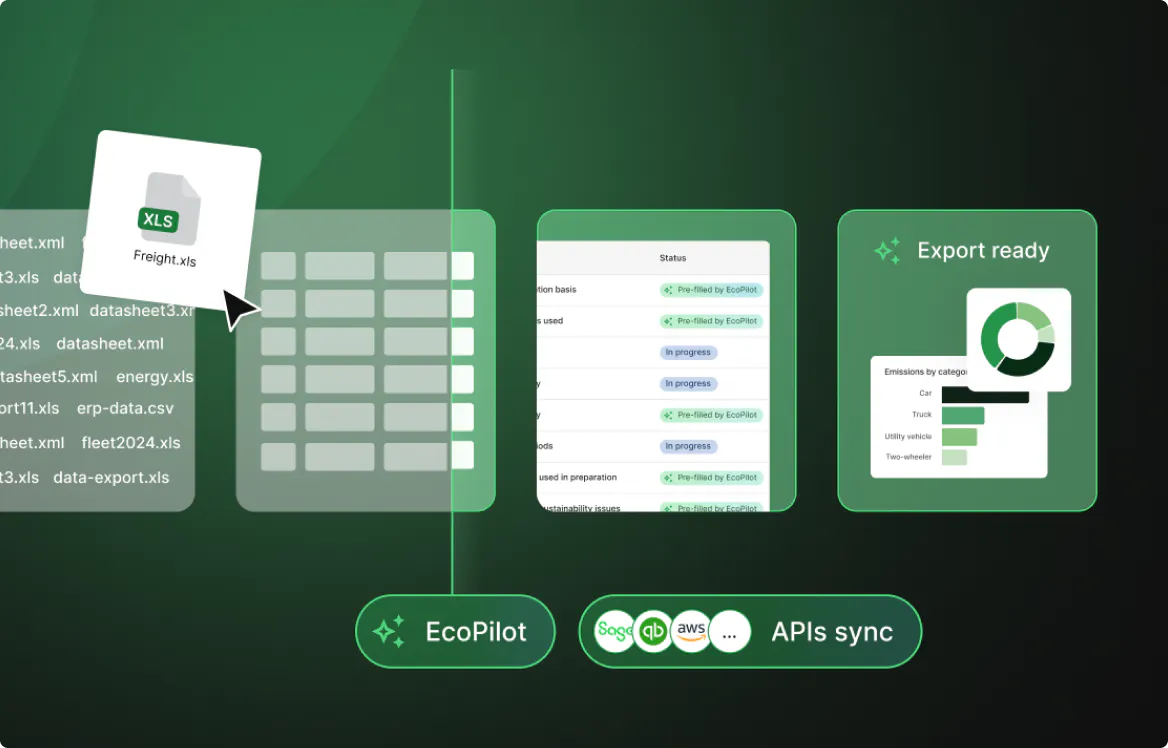
Pull primary data from your suppliers
- Send supplier PCF requests via Catena-X feeds or direct portals — no parallel workflow to build.
- Industrial EFs sit underneath so partial supplier coverage still produces audit-grade outputs.
- Target steel, aluminum, copper, electronics suppliers first — biggest reduction per supplier touched.
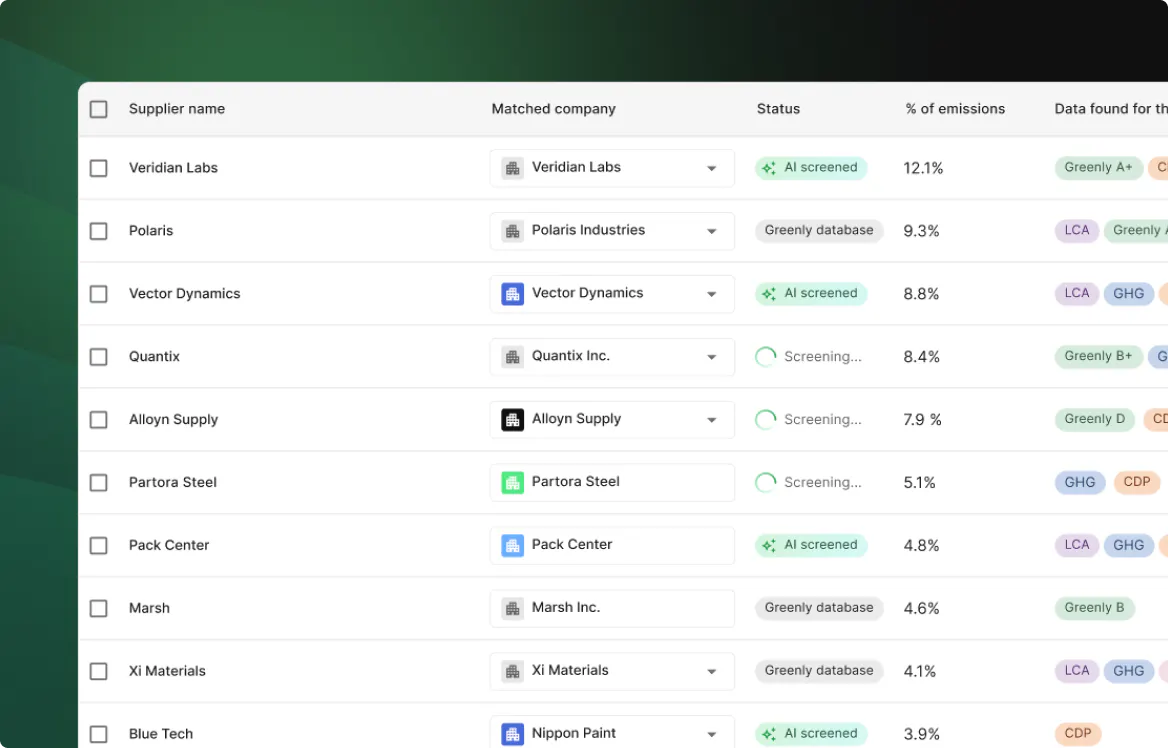
 STEP 3
Generate component-level PCF
- PCFs at part-number granularity in WBCSD PACT format, Catena-X PCF Rulebook–aligned.
- Industrial EF stack: GaBi/Sphera, Ecoinvent, worldsteel, IAI, Plastics Europe, ADEME Base Empreinte.
- IMDS material mapping built in — no manual rework when the BoM changes.
- Component PCFs roll up to vehicle PCF and Battery Passport-ready outputs.
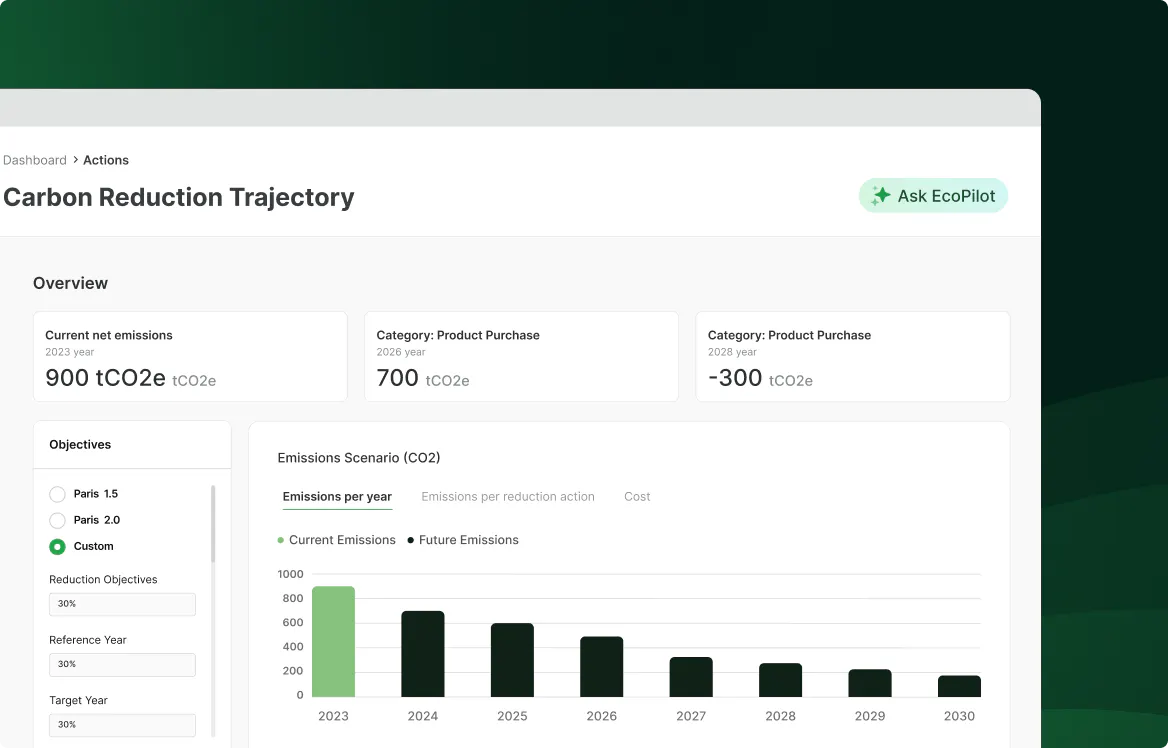
 STEP4
STEP4Publish to every OEM scorecard
- Continuous output: CDP Supply Chain, EcoVadis, Renault SQ, VW Rating, BMW CO₂, Toyota Green Purchasing.
- Update once. Publish to every framework. Response time: hours, not weeks.
- Audit-grade lineage attached to each scorecard output, no manual evidence chasing.
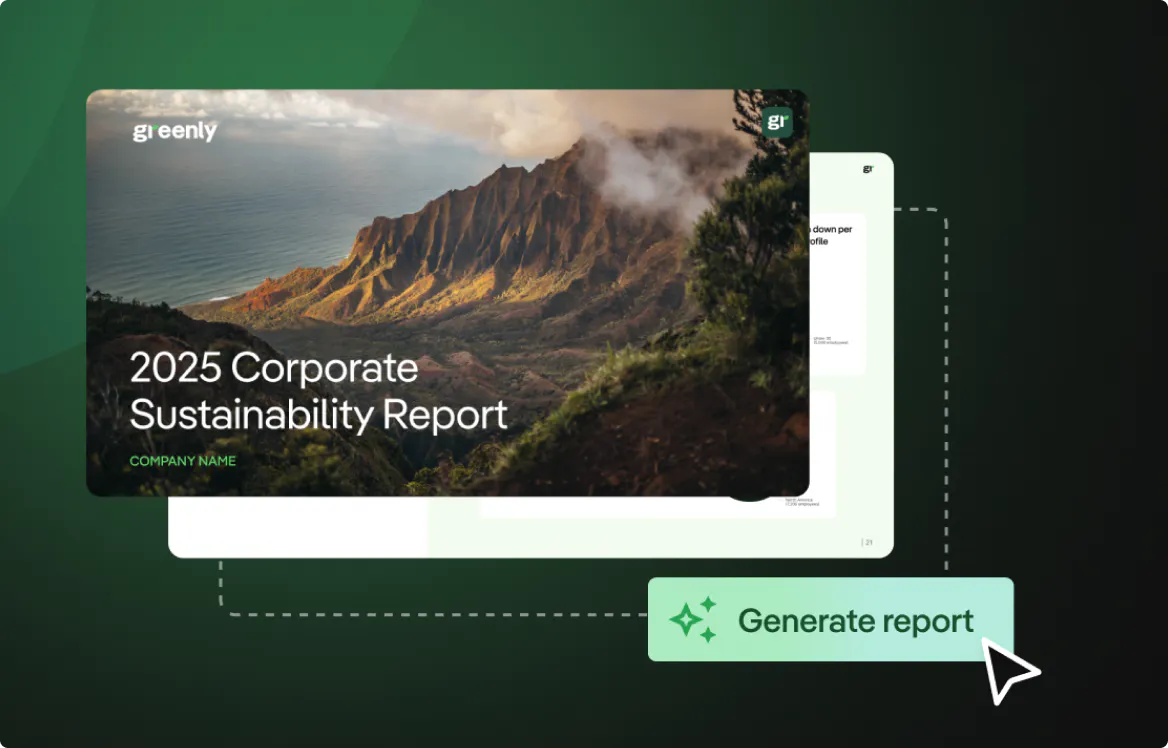
 STEP 5
Turn new regulation into a head start
- Quantify CBAM exposure on steel and aluminum before financial obligations bite and re-source where it pays.
- Publish EU Battery Reg-compliant PCFs today; stay inside 2026 performance classes and 2028 CO₂e thresholds.
- Walk into CSRD wave 1 audits with full Scope 1, 2, 3 lineage — version history, evidence, methodology, reviewers.
- Methodology updates pushed automatically as CBAM, Battery Reg, and CSRD evolve — no replatforming, no rework.

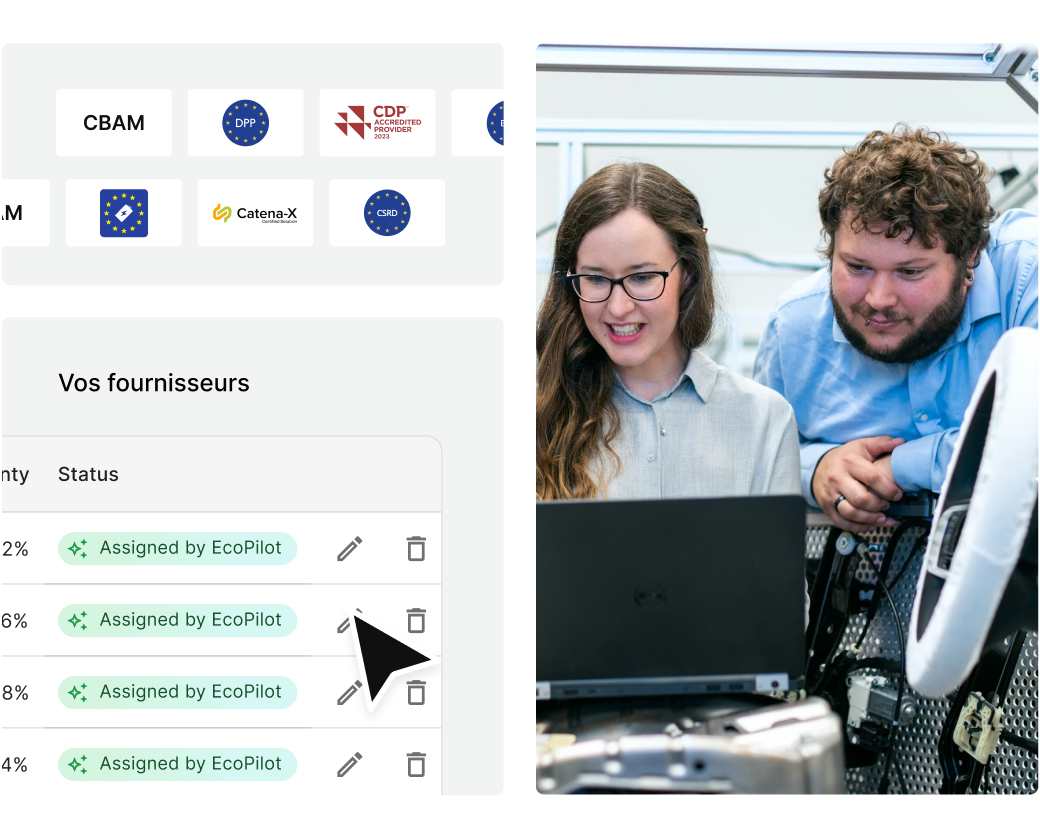
COMPLY WITH THE WORLD’S TOP STANDARDS


Frequently Asked Questions
Still have questions? Check out our complete FAQs to get the answers you’re looking for.
A component-level PCF is a cradle-to-gate carbon footprint calculated for a single automotive part — bracket, harness, fastener, e-motor, battery cell — at part-number granularity. OEMs (Renault, VW, BMW, Stellantis, Toyota, Porsche) require component-level PCFs in their supplier scorecards because their own Scope 3 reporting, Battery Passport obligations, and fleet CO₂ trajectory under EU 2019/631 depend on supplier data quality. Spend-based or product-line averages are no longer accepted at nomination stage. Greenly produces component-level PCFs in WBCSD PACT format, aligned with the Catena-X PCF Rulebook.
Yes. Greenly produces PCFs aligned with the Catena-X PCF Rulebook and the WBCSD PACT standard. When an OEM customer requests a PCF via Catena-X, suppliers using Greenly can publish in the expected format without reformatting. Greenly’s Catena-X-native approach is one of four product pillars and is in active production for Tier 1 customers including Forvia, Aptiv, and Hutchinson.
Yes. Greenly is built to feed every active OEM supplier scorecard from one underlying dataset. CDP Supply Chain and EcoVadis are natively templated and live in production — Forvia, Aptiv, and Trèves Group run both from one platform. Renault SQ, VW Group Sustainability Rating, Stellantis ESG Supplier Score, BMW CO₂ supplier targets, and Toyota Green Purchasing are supported on export, with the data layer common to all. Update your carbon data once; respond to every scorecard in hours, not weeks.
The EU Battery Regulation has made a battery PCF mandatory for every EV battery placed on the EU market since February 2025. Performance classes follow in 2026, with maximum CO₂e thresholds enforced from 2028. Greenly produces battery PCFs at component level today — covering cradle-to-gate stages from material extraction (lithium, cobalt, nickel) through cell manufacturing and pack assembly. PCFs roll up to vehicle level and serve as the data foundation for Battery Passport orchestration.
The Carbon Border Adjustment Mechanism (CBAM, Regulation EU 2023/956) covers imported steel, aluminum, and certain polymers — between 60% and 70% of an average vehicle’s bill of materials by mass. Declarations have been mandatory since October 2023; financial obligations took effect in January 2026. Greenly models CBAM exposure across the supplier base, mapping steel and aluminum imports to embedded emissions and identifying highest-exposure sourcing relationships — so strategic procurement decisions (green-steel offtake, recycled aluminum, supplier substitution) can be made on quantified data rather than high-end default values.
Yes. Greenly maps IMDS (International Material Data System) material declarations directly into the PCF engine, so when a Bill of Materials changes — new alloy grade, switch from virgin to recycled content, supplier substitution — the component PCF updates without manual rework. This is what makes Greenly continuous rather than project-based.
Yes. Greenly was built for audit-grade traceability: every emissions data point carries version history, evidence attachments, methodology notes, and an auditor read-only mode. Spreadsheet-based reporting fails on Scope 3 cat 1 specifically because it can’t reproduce the lineage CSRD wave 1 auditors are now asking for. Forvia has been on the Greenly platform for over five years, through multiple audit cycles.
Yes — and the comparison is straightforward. In-house engineers shouldn’t be regenerating LCAs every time an OEM updates a scorecard; that’s project-cost capacity better spent on actual transitions (green steel, electrified process heat, renewable PPAs). Big-4 consultants produce a report once a year; Greenly is the underlying system of record that stays current as the BoM, the supply chain, and the OEM scorecards change. Both alternatives leave you with annual snapshots. Greenly gives you continuous, audit-grade data.
Typical Tier 1 deployment covers Scope 1+2 consolidation across plants, IMDS-mapped component PCFs, supplier pull-through workflows via Catena-X, and continuous output to CDP Supply Chain plus the OEM scorecards required by your customers. Greenly’s automotive customers have launched into production from initial commercial contact in weeks, not quarters.
