

In our ever evolving digital world, it seems there is always some sort of new technological mechanism that is being made available to help us make our daily lives easier – leading many people to wonder what are the benefits of cloud computing.
Cloud computing is the immediate delivery of various computing services such as databases, networking, software, and more.
In this article, we’ll explain what cloud computing is, the benefits of cloud computing for your business, and how to get started.
What is cloud computing?
Cloud computing refers to the on-demand storage and available access of computing services such as data storage, networking, software, and analytics – as opposed to keeping items on a hard drive, allowing users to access their information from anywhere at anytime.
💡Cloud computing is a popular choice for both individuals and businesses alike, as it can allow for greater productivity, efficiency, and security.
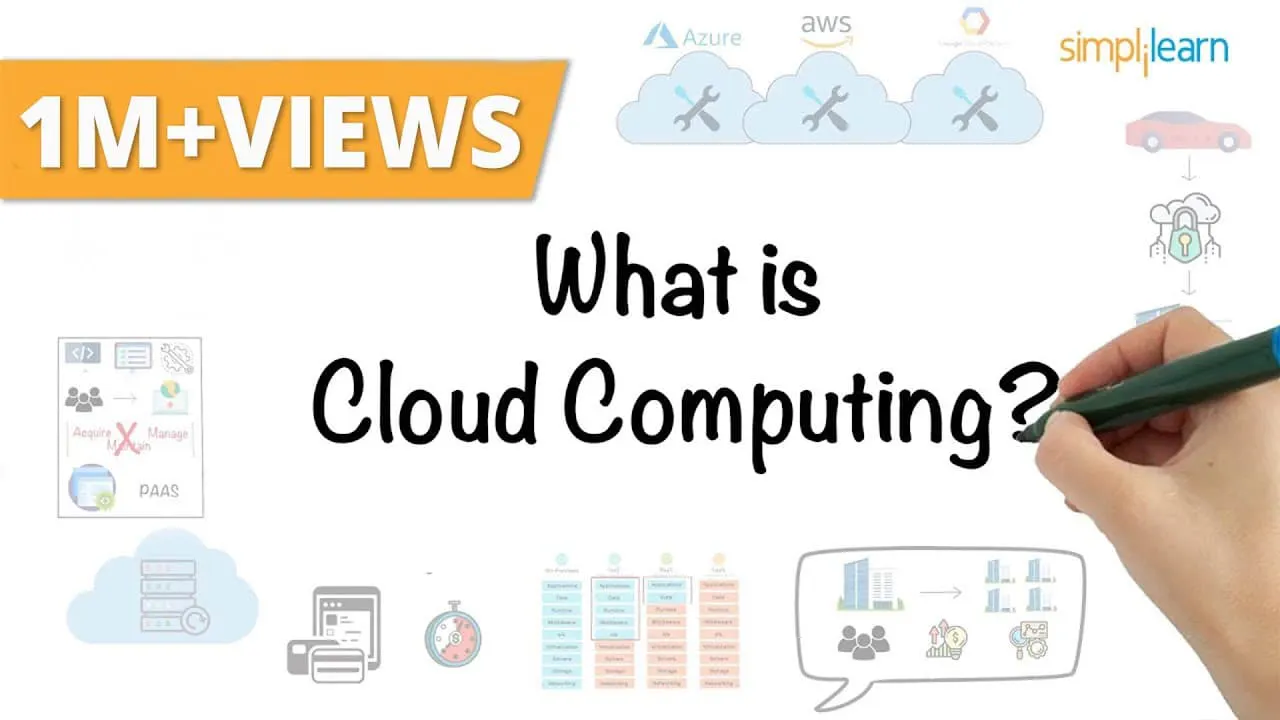
How does cloud computing work?
Cloud computing works by allowing various files, images, and documents to be stored on a cloud server and avoid the need for external means of digital storage.
This can include the following:
- Backups of your files
- Ability of recovery of data
- Immediate availability of various software
- Streaming your favorite movies, music, and podcasts
💡As a whole, cloud computing can help users to easily access what they need over the internet without needing additional hardware or cables to acquire the information they need.
Here’s a breakdown of how cloud computing works:
- Infrastructure – Cloud computing requires a network server hosted on the internet to ensure proper storage and processing of data, such as Amazon Web Services (AWS), Microsoft Azure, Google Cloud. This is why popular streaming services often won’t work properly without a strong internet connection.
- Platform & Software (PaaS & SaaS) – Cloud computing often requires the recruitment of developers to build applications like Google App Engine, Microsoft Azure App Services to host online software such as Google Workspace or Dropbox. This allows users to avoid needing to download Microsoft Word or Apple’s Keynote to complete work tasks.
- On-Demand Access – The hallmark quality of cloud computing is that anyone can access information anywhere as long as they’re connected to nearby Wi-Fi. This allows people to scale down and get rid of external hard drives, music players, or video game cartridges.
- Types of Services – The host for cloud computing could be a platform like Google Drive for data storage or Spotify for playing music, which may be operated on a private, public, or hybrid cloud to either allow for data sharing or data protection respectively.
Examples of cloud computing
- Data Storage Platforms – Popular cloud computing platforms such as Google Drive, Dropbox, OneDrive, and Box all serve as viable examples of cloud computing.
- Streaming Platforms – Your favorite streaming platform such as Hulu, Disney Plus, or Netflix are all examples of cloud computing.
- Music Services – Apps such as Spotify, Pandora, and Apple Music all serve as the epitome of cloud computing – with billions of songs available for immediate access at the user’s request.
👉 Overall, cloud computing works to offer more accessible services for both individuals and businesses – often allowing for greater flexibility, productivity, and interconnectedness when working.

Why is cloud computing relevant during climate change?
Cloud computing is relevant during climate change as it can help us to consolidate our belongings, avoid excess consumption, and mitigate plastic and e-waste.
💡Think about it: as short as 20 years ago, our T.V. stands were often cluttered with gaming cartridges, DVDs and video tapes, and CDs to play music – all of which is now offered online as a result of cloud computing. This has allowed all of us to reduce the amount of stuff we have in our house, and the eventual GHG emissions they would contribute to once it ends up in our landfills.
Here are a few ways that cloud computing can help in the midst of the climate crisis:
- Reduce E-Waste – The world is currently subject to 62 million tonnes of e-waste every single year, a figure that is only bound to rise as the convenience of digital devices continues in our modernized world. Luckily, cloud computing can help to avoid e-waste from external hard drives, DVDs, CDs, and more.
- Mitigate Plastic Waste – A whopping 350 million tonnes of plastic waste is created annually, a lot of which used to come from buying a CD for a new album or renting a video tape from BlockBuster. These days, streaming services and cloud-based gaming allow us to avoid buying movies, music, and video games wrapped in single-use or non-biodegradable plastic.
- Cleaner Music Industry – As irritating as streaming music can be for artists, as it’s harder to make a living off of streams than physical record sales – reduced CD sales are better for the environment, as CDs are made of polycarbonate and aluminum, both of which are difficult to recycle and end up in the landfill. However, vinyl records have made a concerning comeback to the music industry – as their usage is already sending us back to the time old tale of excess consumerism, with artists like Taylor Swift often releasing unnecessary, multiple versions of vinyl records to boost album sales.
The table below will illustrate more reasons on what are the benefits of cloud computing in the midst of climate change:
| Area of Impact | How Cloud Computing Helps |
|---|---|
| Remote Work & Reduced Commuting | Cloud-based collaboration tools (e.g., Google Workspace, Microsoft 365) allow employees to work remotely, reducing carbon emissions from commuting. |
| Energy Efficiency in Data Centers | Large cloud providers use advanced cooling and energy-efficient technologies, significantly lowering the energy consumption compared to traditional on-premises data centers. |
| Smart Grid & Renewable Energy Management | Cloud computing supports real-time data analytics for smart grids, optimizing energy distribution and improving the integration of renewable energy sources. |
| Precision Agriculture | Cloud-powered AI and IoT help farmers optimize irrigation, reduce pesticide use, and improve crop yields, leading to more sustainable farming practices. |
| Disaster Response & Climate Monitoring | Cloud-based systems help track extreme weather patterns, coordinate disaster response efforts, and store climate data for analysis. |
| Supply Chain Optimization | Cloud computing enables real-time tracking and analytics to reduce waste, lower transportation emissions, and improve overall efficiency in supply chains. |
| Paperless Operations | Cloud-based digital documents, e-signatures, and storage reduce the need for paper, helping to preserve
👉 In the end, cloud computing is pivotal in the midst of climate change as it allows all of us to avoid clutter that would otherwise end up in our landfills, greenhouse gas emissions, and rising global temperatures.  How could cloud computing help my business?Cloud computing can help your business to flourish by allowing for greater flexibility and productivity, as all of your company’s projects, files, and data will be accessible to all of your employees from anywhere at any time.
“The cloud services companies of all sizes…The cloud is for everyone. The cloud is a democracy – (Marc Benioff).” Additional ways in which cloud computing may help your business include:
👉 Cloud computing can prove useful for businesses of all sizes, as SMBs and large corporations alike could benefit from the easy access of information provided by cloud computing.  What are the pros and cons of cloud computing?There are several advantages and disadvantages to cloud computing, such as how cloud computing allows for greater accessibility and potential cost-reduction – but that cloud computing could cause a breach of data confidentiality or privacy. 💡Generally, the benefits of cloud commuting exceed the potential mishaps – but it is important to understand all of the potential risks associated with the transition to cloud computing for improved risk management. Here’s a breakdown of the pros and cons cloud computing: Benefits of Cloud Computing
Drawbacks of Cloud Computing
👉 Ultimately, while there are risks associated with cloud computing – it is generally the most convenient and beneficial platform to ensure business efficiency, as cloud computing allows for greater flexibility, reliability, and productivity.  How can my company get started with cloud computing?If your household or business isn’t already making use of cloud computing, it will take a little bit of effort to fully transition – but don’t worry, we’re going to break it down for you. Here’s what to consider when deciding the benefits of cloud computing are worthwhile:
Overall, cloud computing is a beneficial way to help your company improve upon its business operations and potentially even help your company to reduce its carbon footprint. What about Greenly?If reading this article on what are the benefits of cloud computing has inspired you to consider your company’s own carbon footprint, Greenly can help. At Greenly we can help you to assess your company’s carbon footprint, and then give you the tools you need to cut down on emissions. We offer a free demo for you to better understand our platform and all that it has to offer – including assistance on how to reduce emissions, optimize energy efficiency, and more to help you get started on your climate journey. Learn more about Greenly’s carbon management platform here. 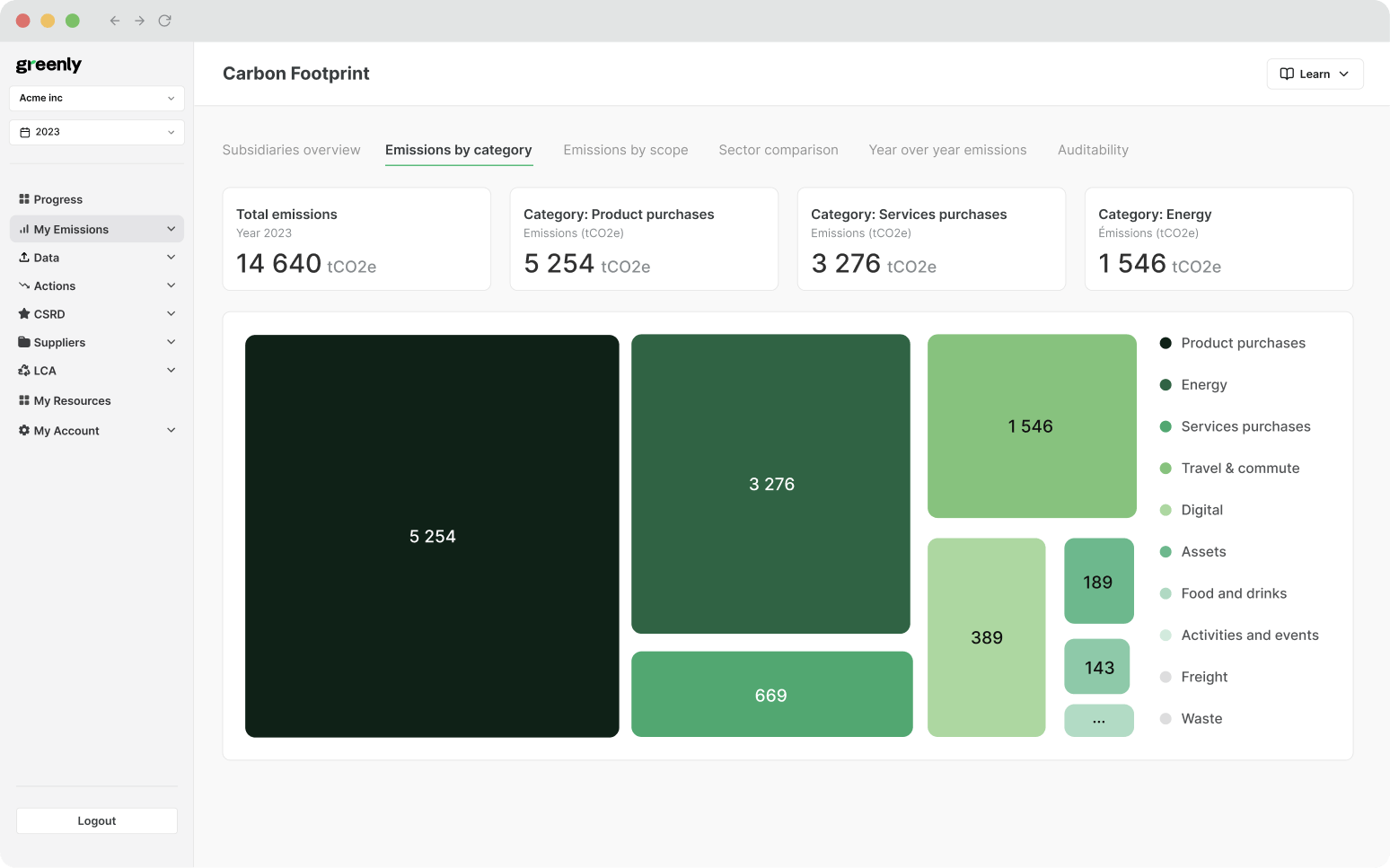 Geeks for Geeks  Investopedia Trap Technology World Health Organization Our World in Data The Conversation Share this article    Subscribe to the CSO Connect Newsletter We care about your data in our privacy policy.  |